We started by planting flowers.
2019.
Stewardship Begins
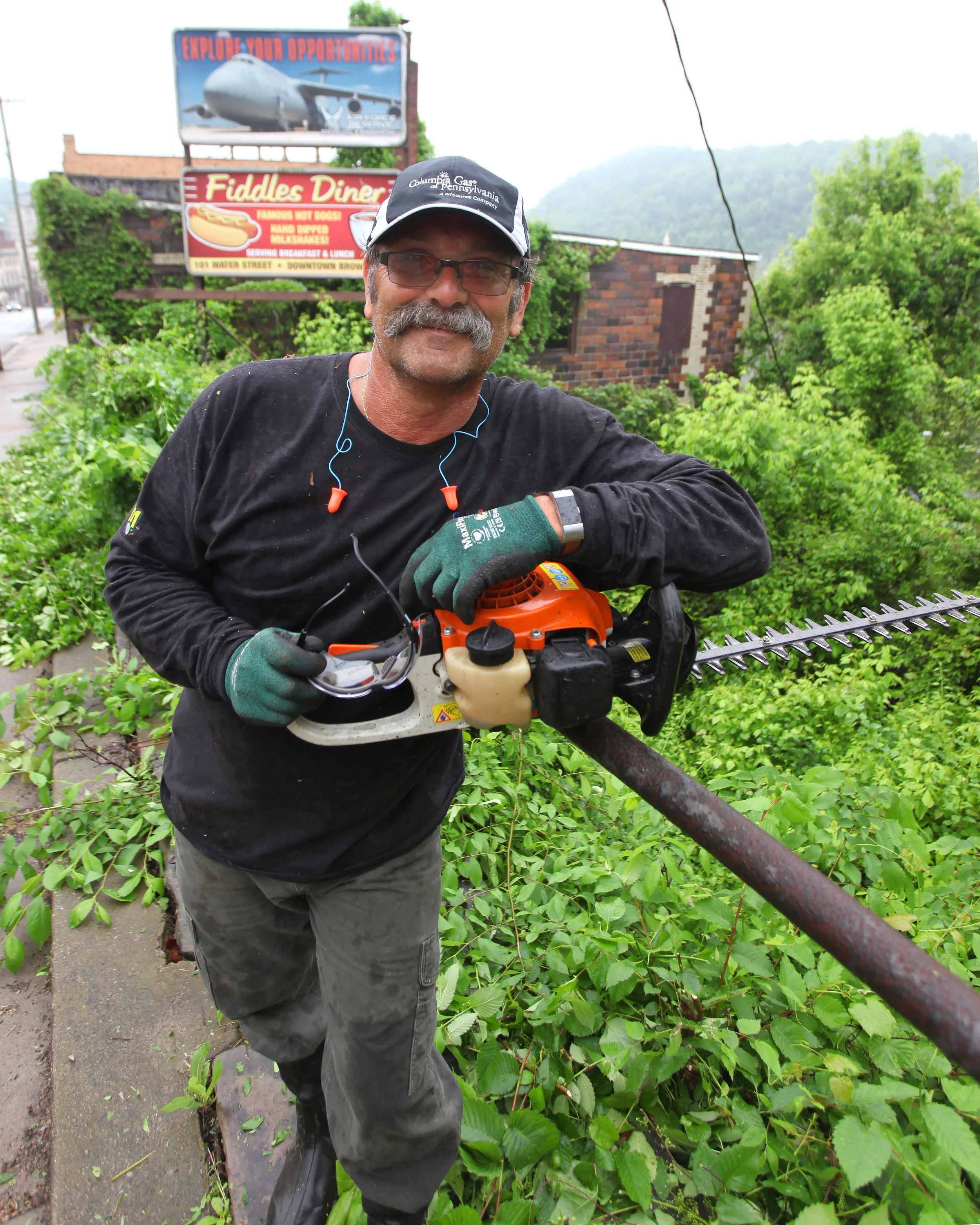
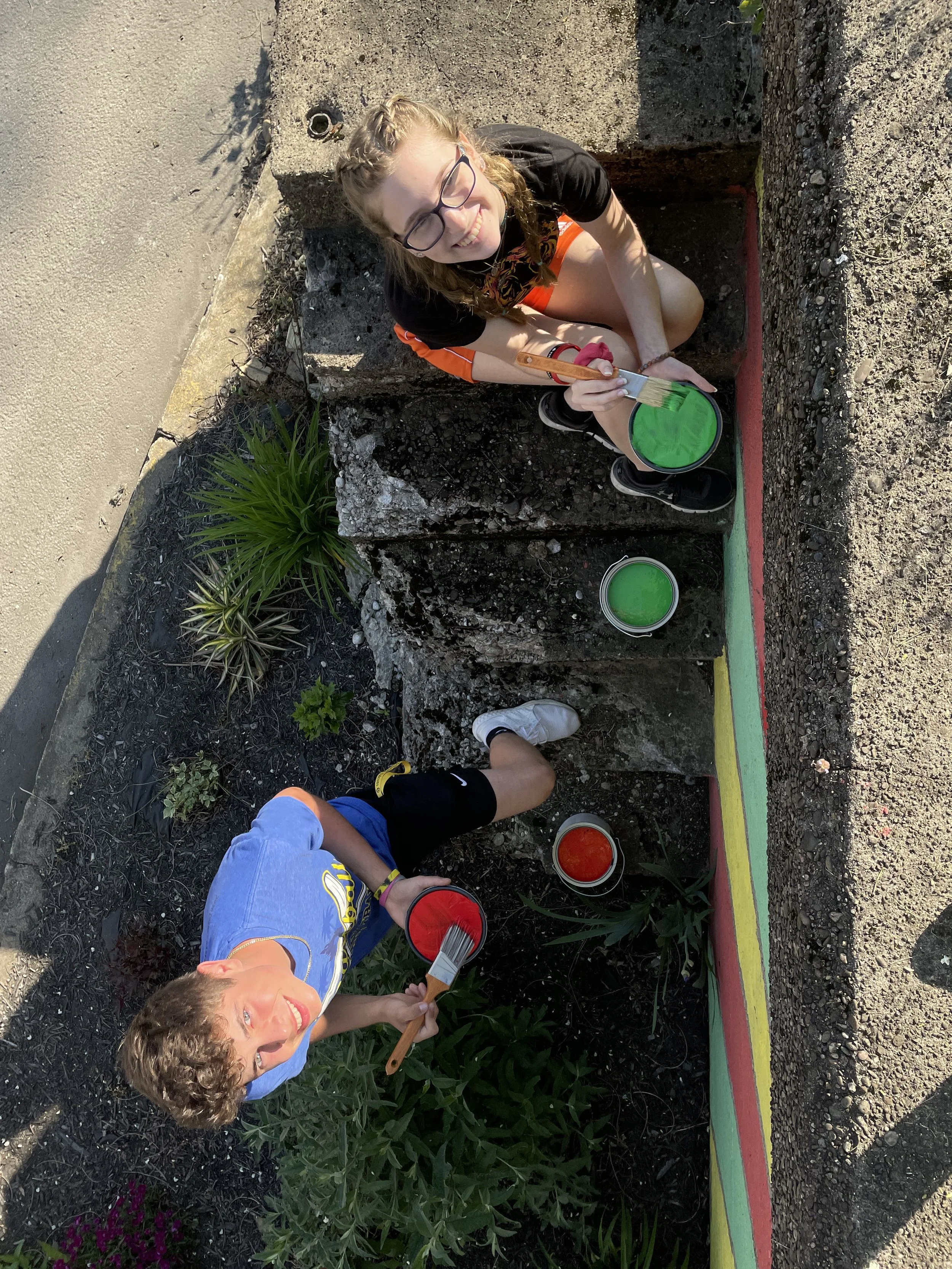
The Perennial Project began with a simple act of hope—planting flowers among the ruins of blight and decline in Brownsville, Pennsylvania.
Vacant lots were cleared. Storefront windows were polished. Forgotten corners were tended.
What began as a cleanup became a signal: Brownsville is not done.
100+ local volunteers mobilized
Main Street reactivated through visible stewardship
And slowly, what looked like a small act of care began to change the trajectory of a town.
2020. Portals Launch Youth-Led Preservation
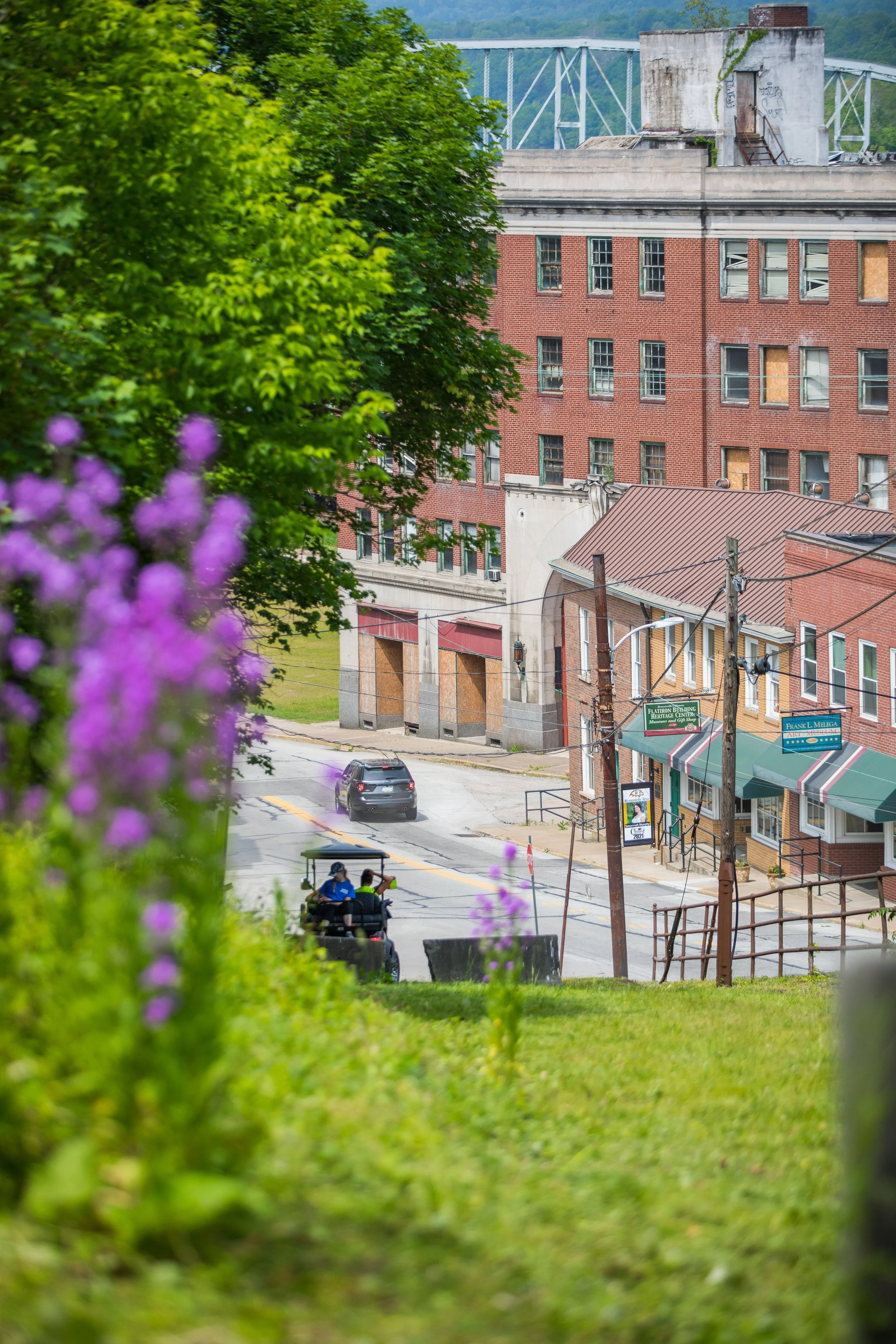
In 2020, while much of the world paused, Brownsville’s students stepped forward.
Brownsville’s historic buildings—once symbols of economic decline—became classrooms.
Students began digitally documenting the architecture and cultural heritage of their own town before it could disappear.
Preservation became a platform for creative technology, public storytelling, and workforce development.
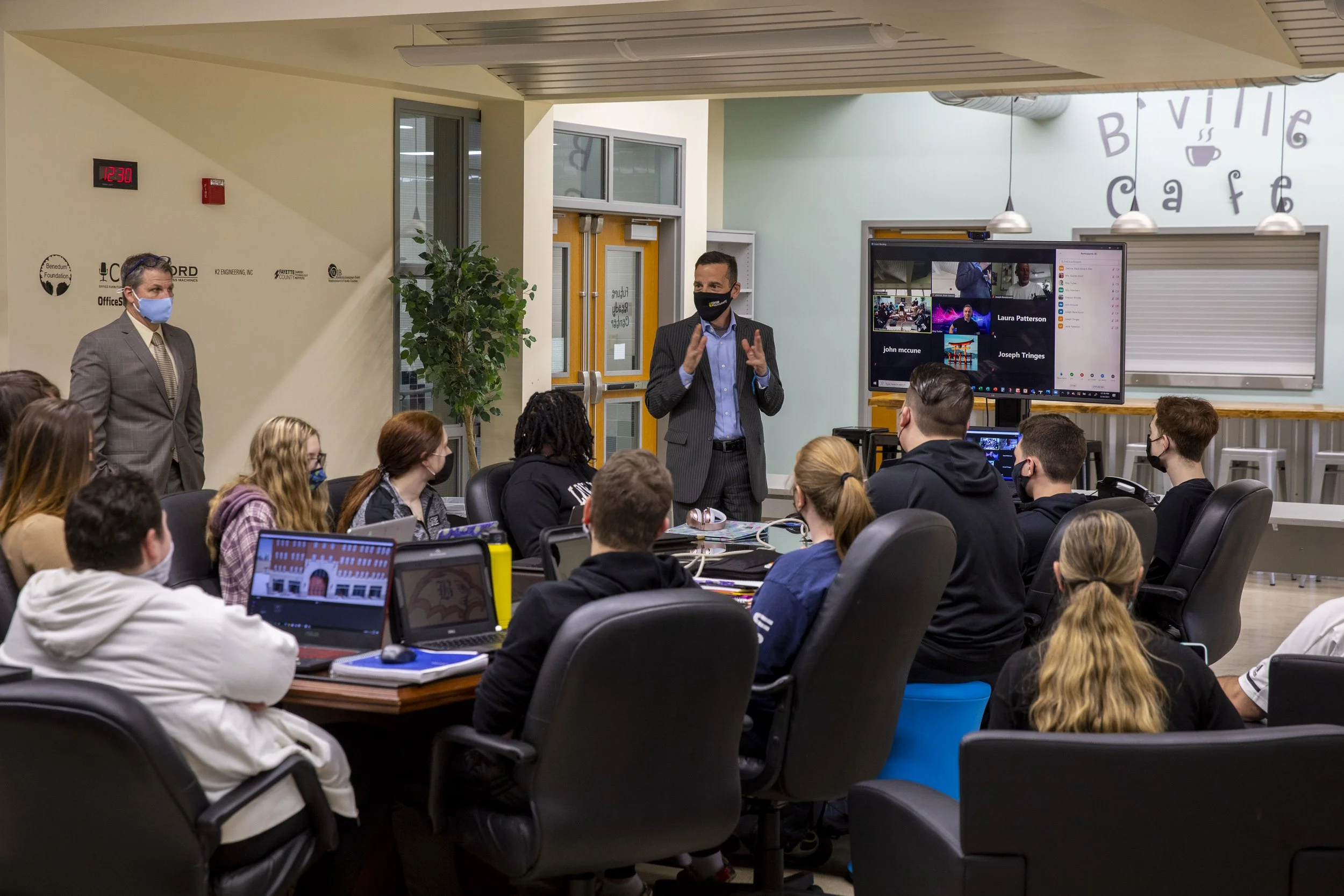
Before long, art, preservation, and digital technology began operating as one civic language.
2020. Portals Launch Youth-Led Public Art
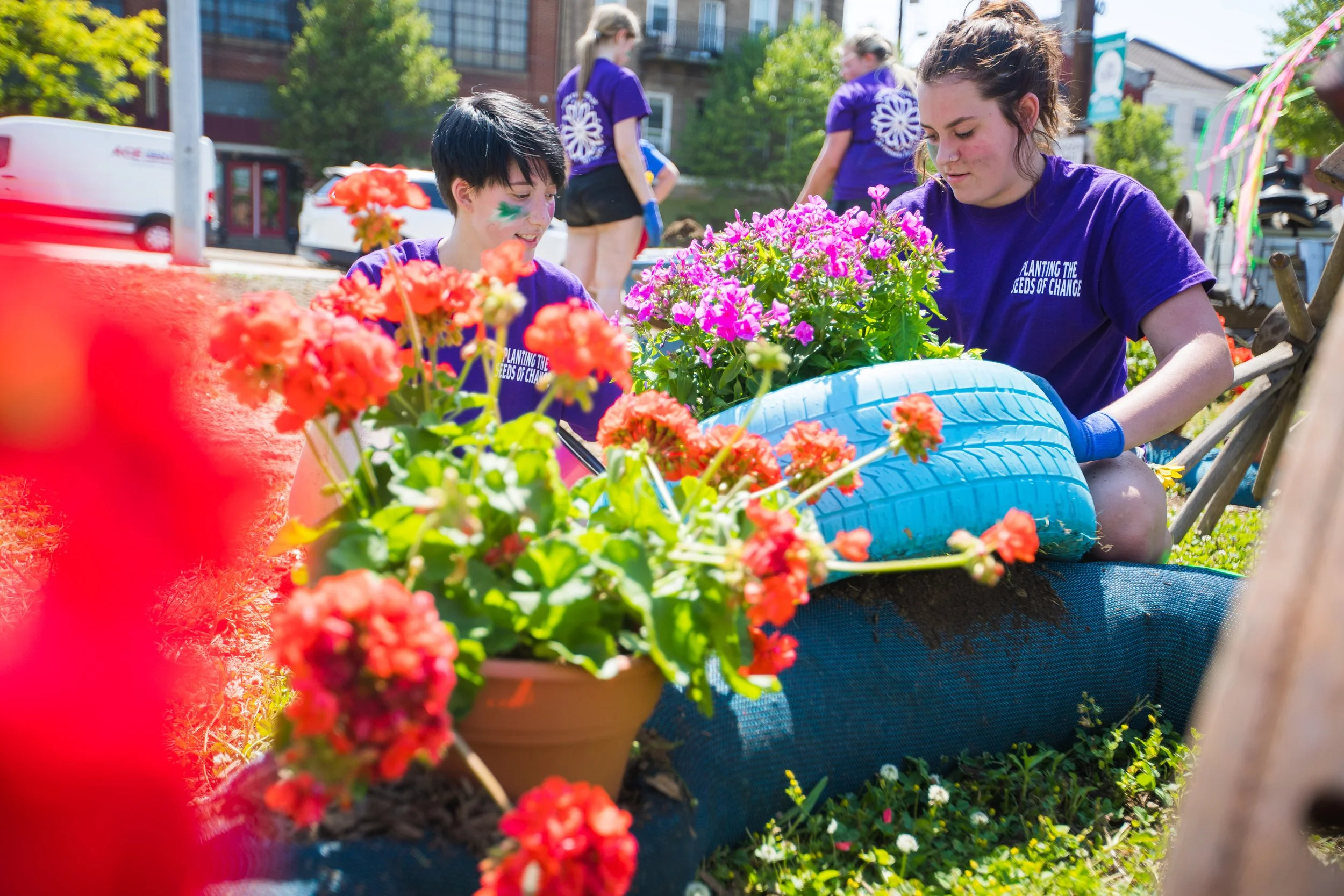
Through immersive design workshops and creative fieldwork, students re-imagined vacant lots and blank walls as spaces for public art and civic pride.
Salvaged parking meters. Historic fragments. Painted bottles. Tires pulled from our waterways.
Nothing was considered too broken to become part of something meaningful.
First student cohort trained in 3D modeling, VR, and rendering
Public art installations activated vacant downtown spaces
Historic streetscapes digitally preserved before loss
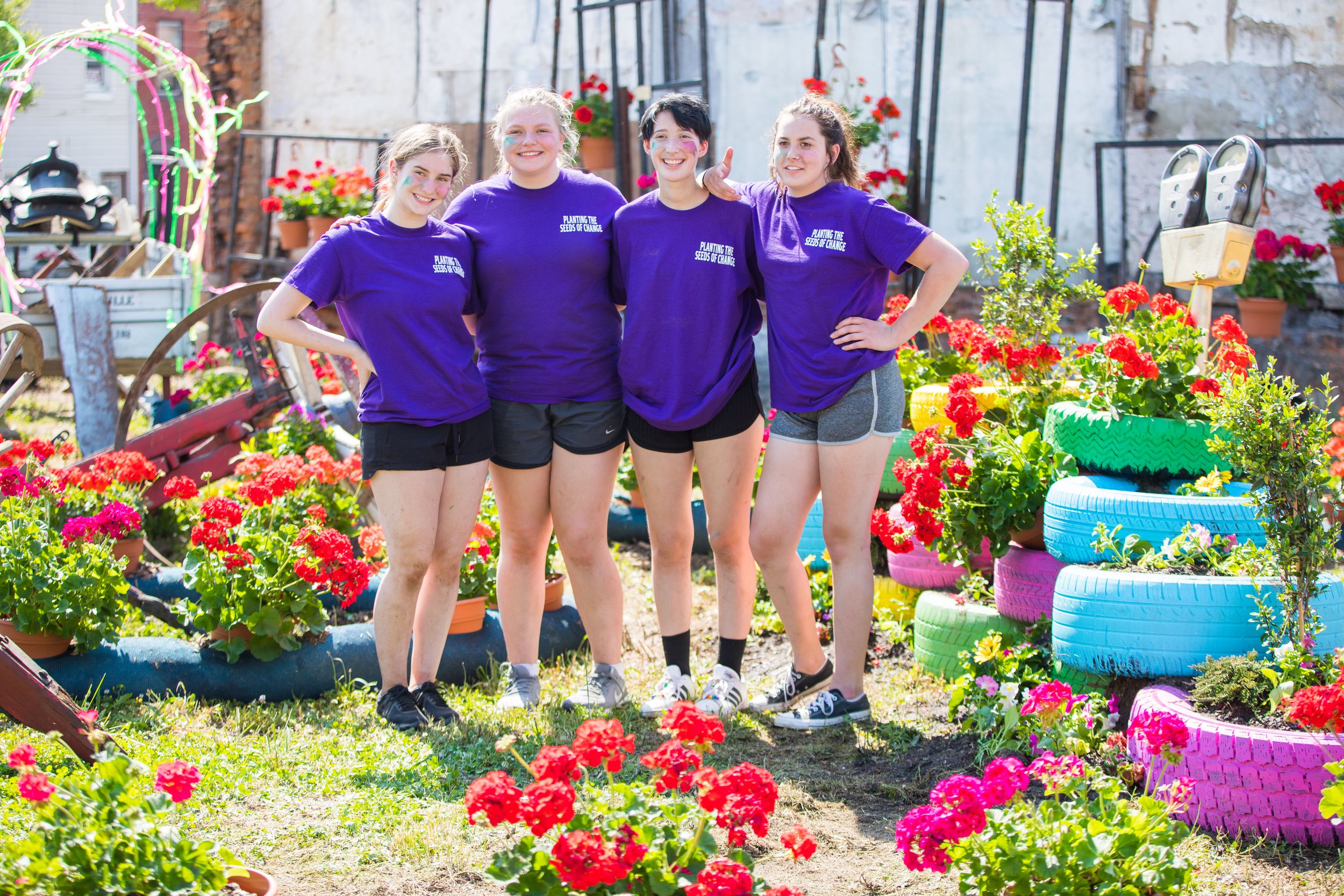
Engaged community members became co-authors of redevelopment.
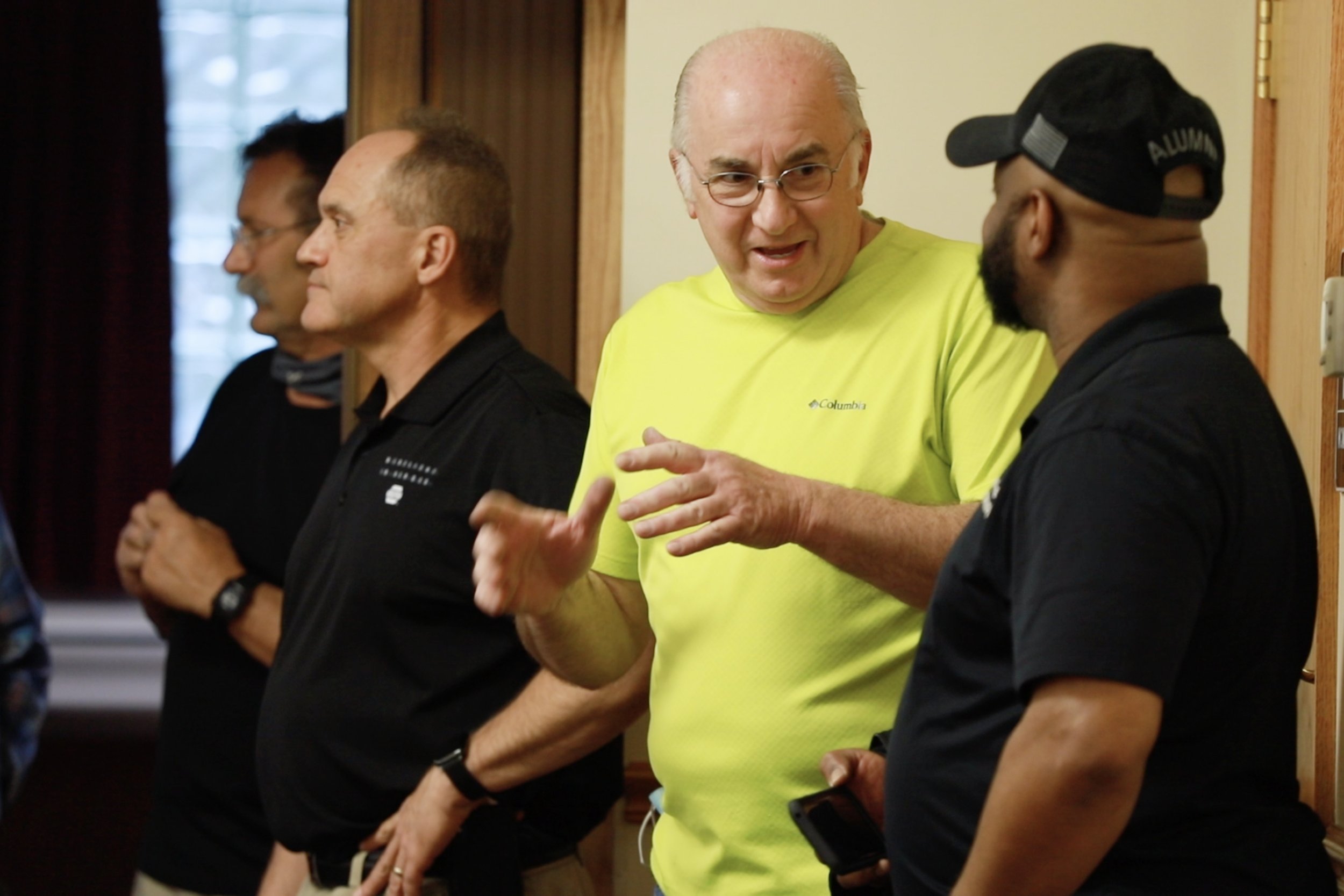
2021. Community Design Workshops
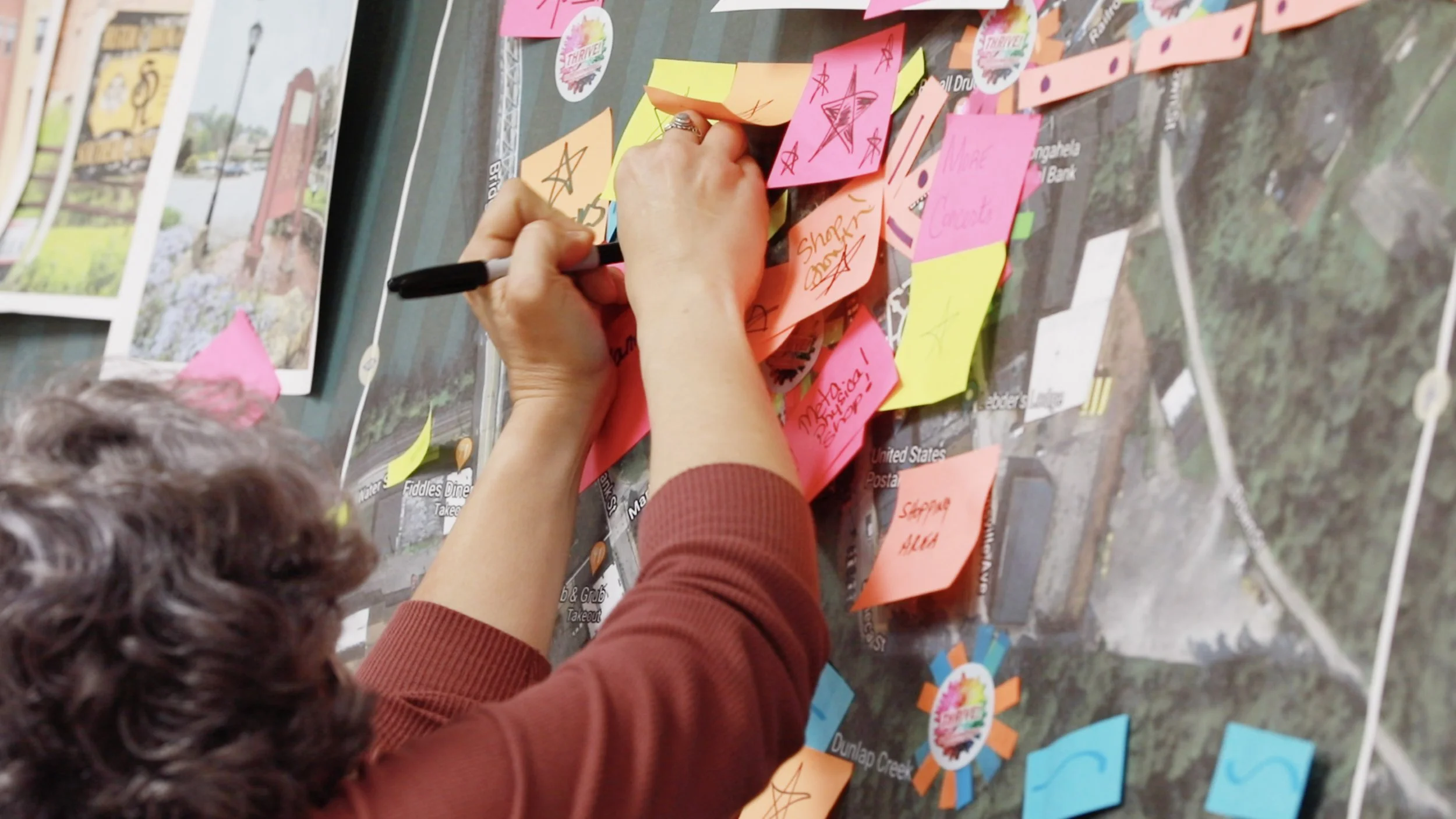
Residents, students, artists, and educators gathered to imagine a different future for Brownsville’s Main Street.
Vacant lots became proposals. Public space became curriculum. Preservation became participatory.
These workshops helped guide early stabilization efforts surrounding the Union Station district while expanding public ownership of the town’s future.
These workshops ultimately informed the creation of HOPE Park.
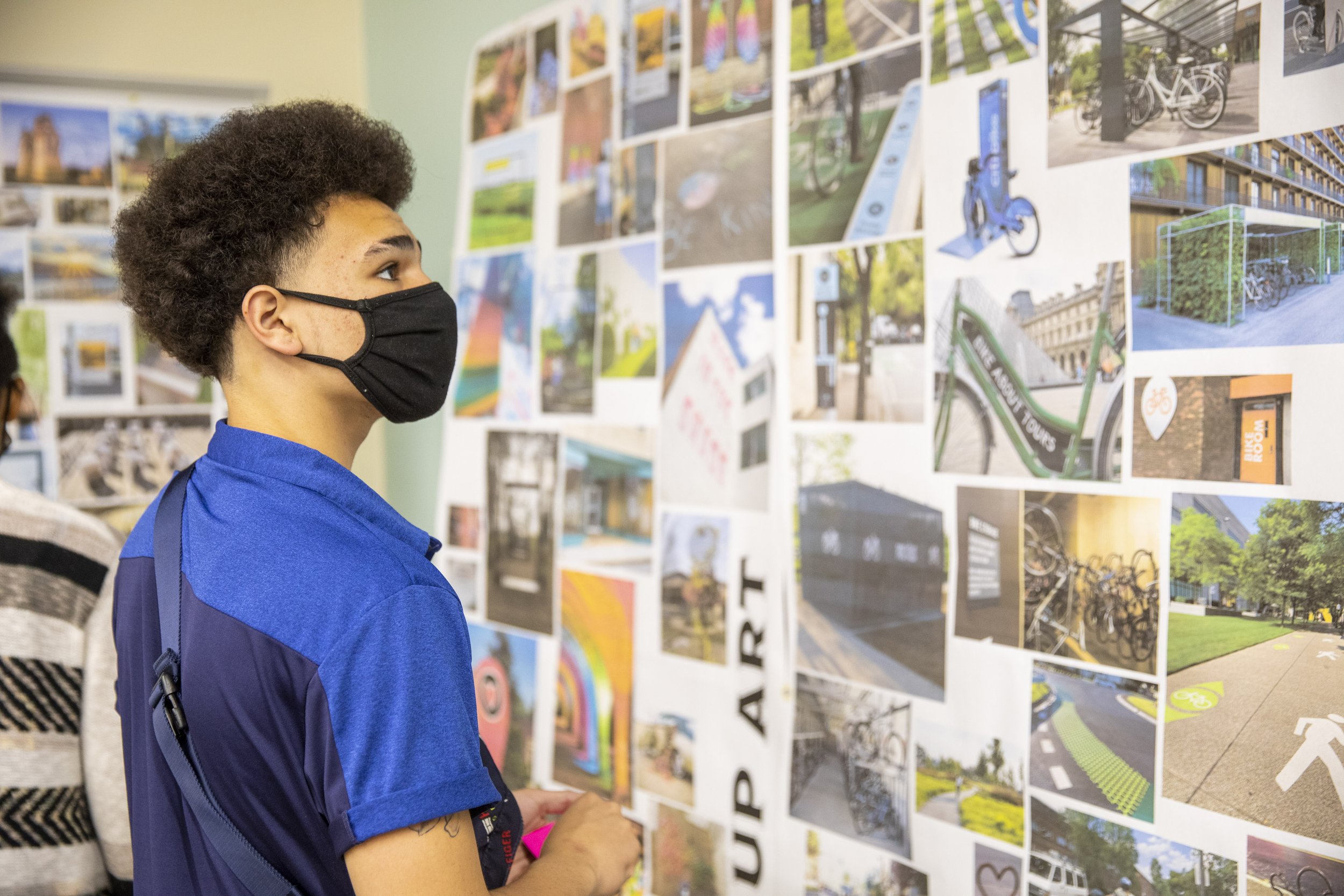
What began as stewardship evolved into permanent civic infrastructure.
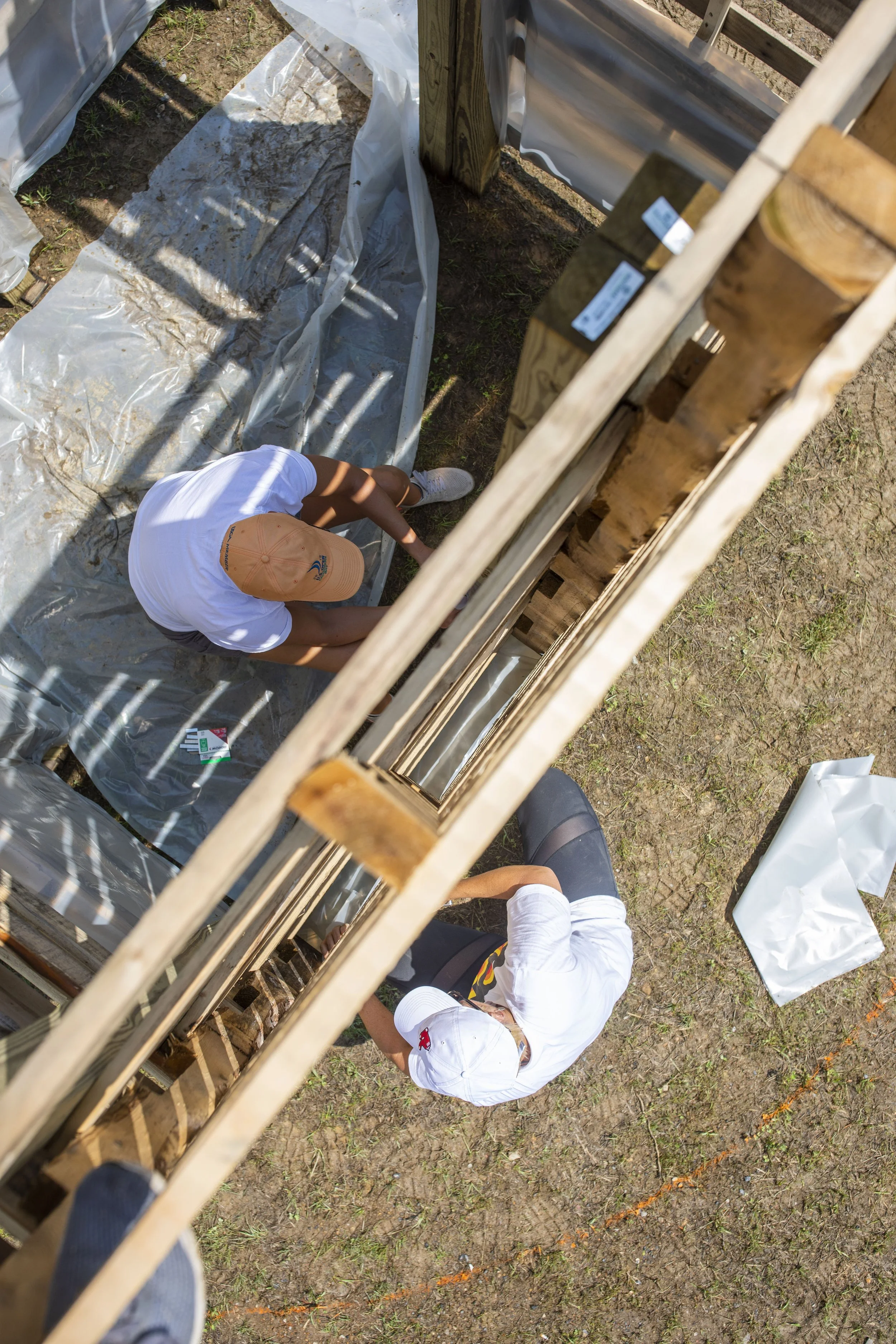
2021-present.
HOPE Park
Where buildings once stood—too far gone to save—we created HOPE Park.
An outdoor civic space for film, memory, performance, and digital storytelling.
Public programming reactivates downtown
Civic space reclaimed permanently
Students transformed a threatened landmark into a shared civic vision, opening the doors of the past to a new generation.
2021-present.
Union Station
As Brownsville’s historic Union Station continued to deteriorate under long-term vacancy, the landmark stood at increasing risk of permanent loss.
Owned by the Fayette County Redevelopment Authority and listed for sale, the building’s failing roof and accelerating deterioration became symbolic of the uncertainty surrounding Brownsville’s future.
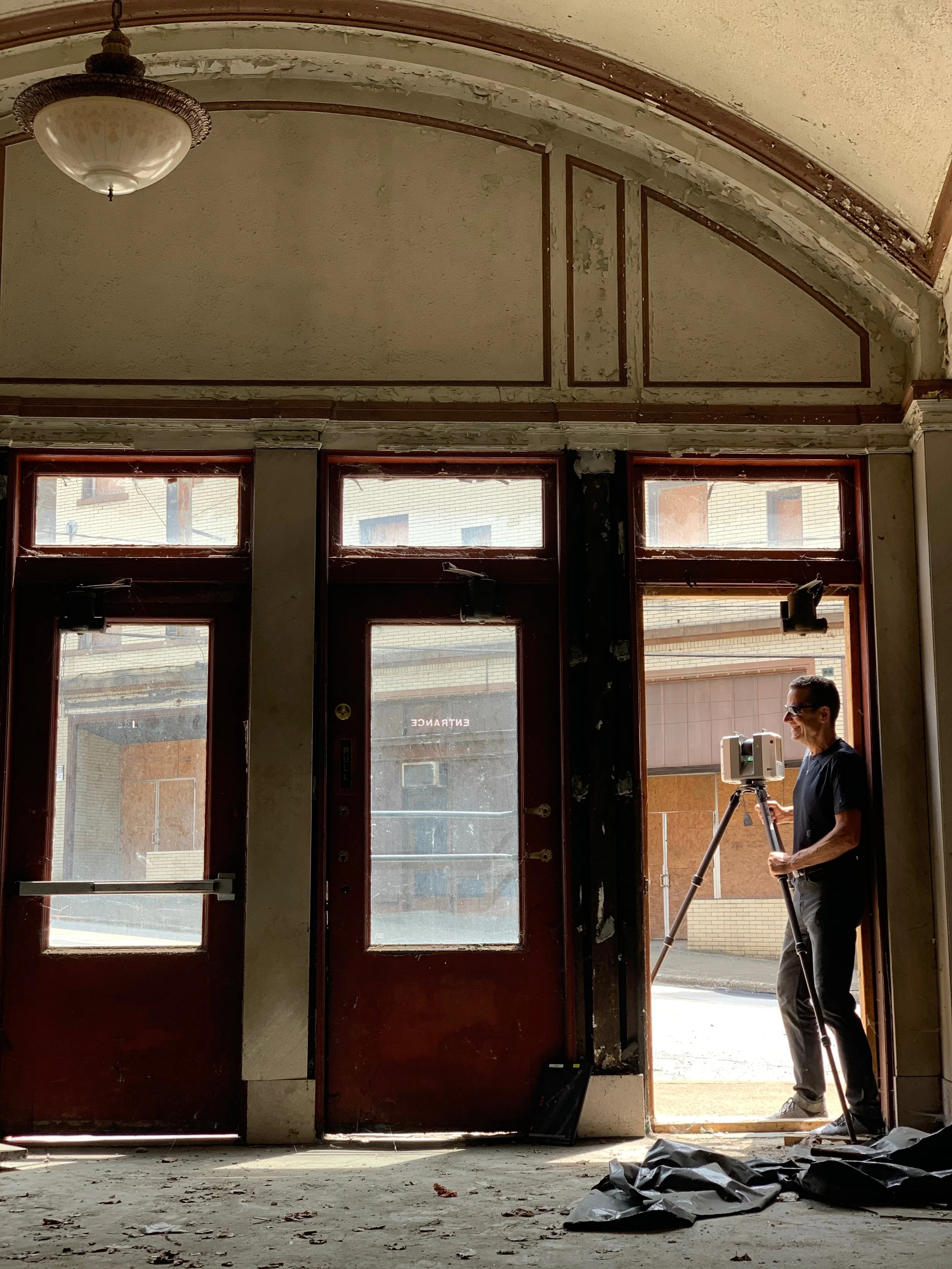
Through digital scanning, storytelling, and immersive visualization, students reconstructed the station as both a living history project and a public experience.
Working from a digital twin created through 3D laser scanning, students produced animated films and virtual reality tours that allowed the community to experience the landmark reimagined before restoration had even begun.
One project brought former mayor Norma Ryan’s childhood memories of traveling by train to Kennywood Park back to life through student-led animation, oral history, and immersive design.
These public presentations helped transform Union Station from a symbol of deterioration into a symbol of possibility—contributing to renewed civic momentum surrounding the building’s stabilization and future redevelopment.
We’ve only just begun. And we’re still planting flowers.
Today.
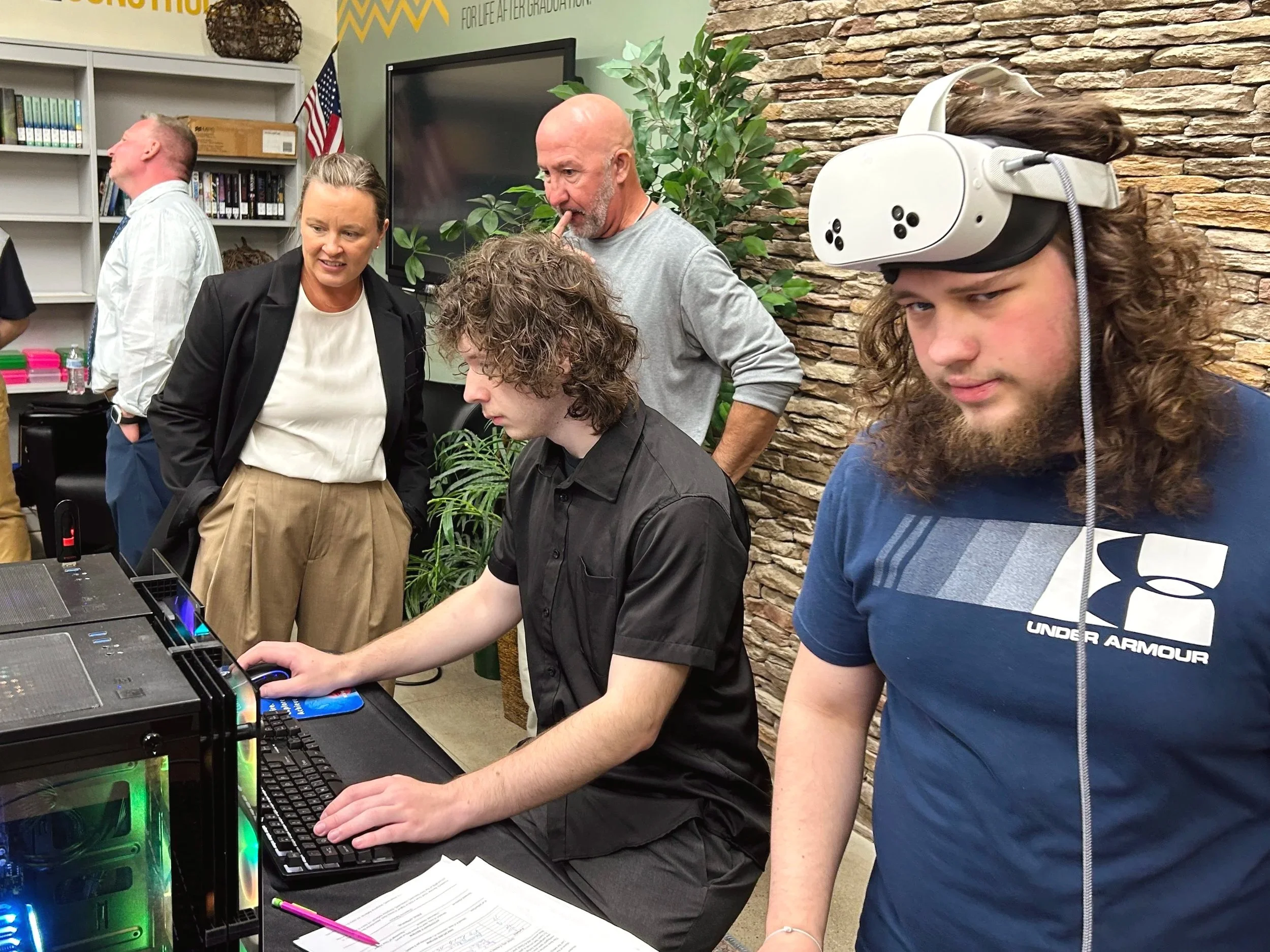
Today, The Perennial Project operates as a long-term framework for community-led revitalization rooted in education, preservation, public art, and digital technology.
What began with volunteer flower plantings and neighborhood cleanups has evolved into an expanding network of students, educators, artists, preservationists, technologists, and civic partners working together to reimagine Brownsville’s future from within.
The Portals Initiative now engages more than seven high schools across Pennsylvania and West Virginia, connecting students to digital preservation, immersive storytelling, public art, and workforce-ready technology pathways.
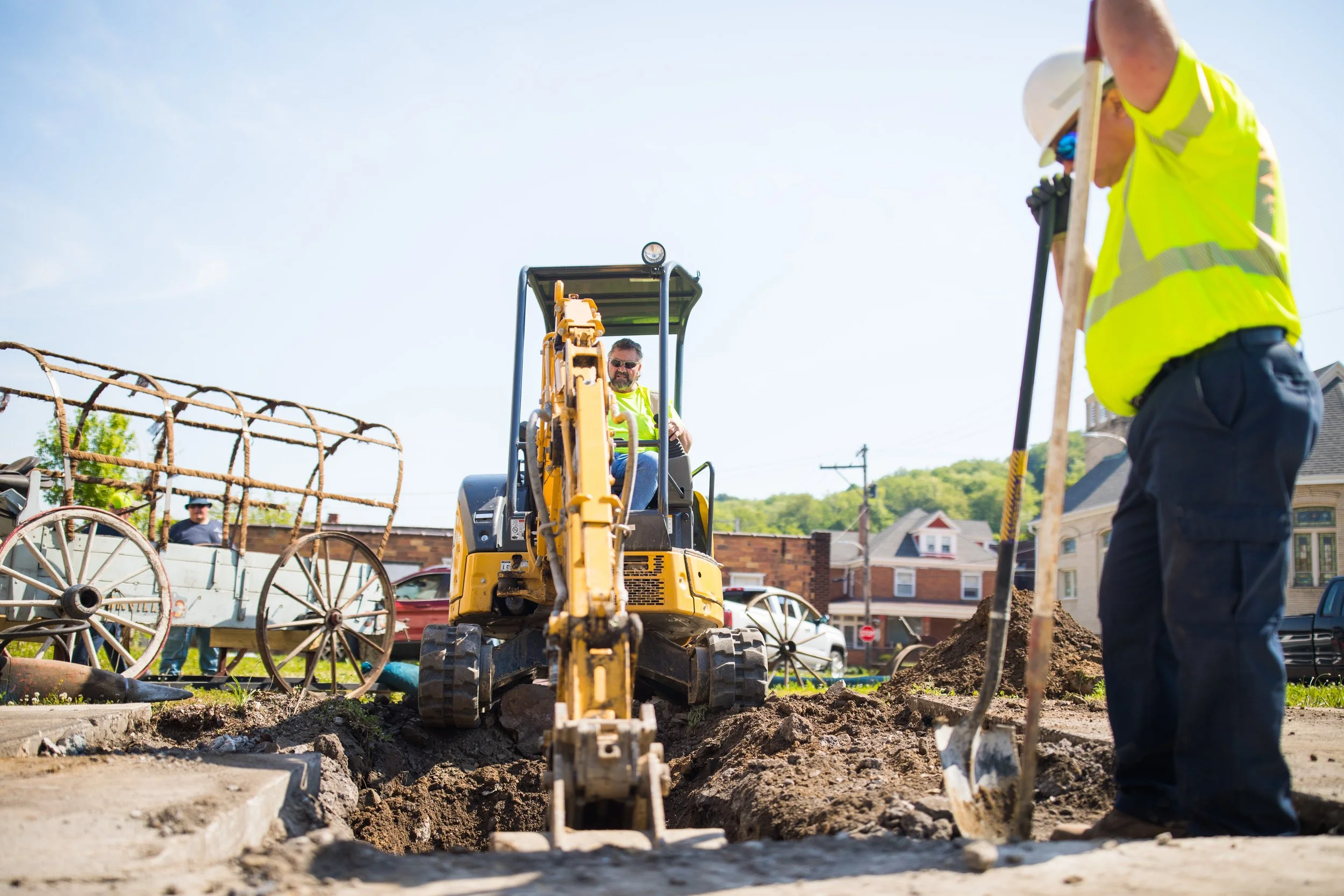
At the same time, community stewardship efforts continue to shape the public realm through seasonal plantings, cleanup initiatives, and the ongoing design and development of HOPE Park.
Across workshops, digital documentation, public installations, and adaptive reuse advocacy, the work continues to demonstrate how cultural infrastructure can help rebuild civic identity and public trust.
Brownsville is not presented as a symbol of decline.
It is becoming a real-time model for how overlooked communities can reclaim authorship over their future.